“He who eats until he is sick must fast until he is well.” ~English Proverb
If you have tried shorter fasts, you might want to consider 48-hour fasting.
This type of fasting is another type of intermittent fasting. However, it’s not as common as the shorter-duration fasts.
If you wonder whether there are people who can fast for 48 hours, then you’ll be surprised to know that some people do prefer to fast for longer than 24 hours because it boosts their insulin sensitivity and helps blood pressure.
A 48-hour fast is the longest duration. And only a few people can manage to finish it with ease. However, it may not be good for type 1 diabetes. If you wish to try it, make sure to ask your doctor.
Read: The Pros and Cons of Intermittent Fasting
Weight Loss with 48-Hour Fast: How to do It?
In a two-day fast, you are giving yourself a break from eating for 48 hours or two days. In that case, you can stop eating after you had your dinner on the first day. Then, you can start eating again at dinnertime on the third day. Some experts said that it may prevent disease.
If you are following a water diet, you can drink water, tea, black coffee, and other zero-calorie drinks during your fasting period.
Drinking a lot of fluids during prolonged fasting is important to prevent dehydration, which is a potential side effect of a longer fast.
After fasting for two days, you can reintroduce food. But you should do it gradually. The reason for this is that it prevents the food from overstimulating your gut which can lead to nausea, diarrhea, and bloating.
What to Eat After a 48-Hour Fast?
As mentioned, you must not overstimulate your gut by eating a lot of food right after the fasting ends. Instead, you must gradually reintroduce food to your body. You should also avoid taking nonsteroidal anti-inflammatory drugs (NSAIDs).
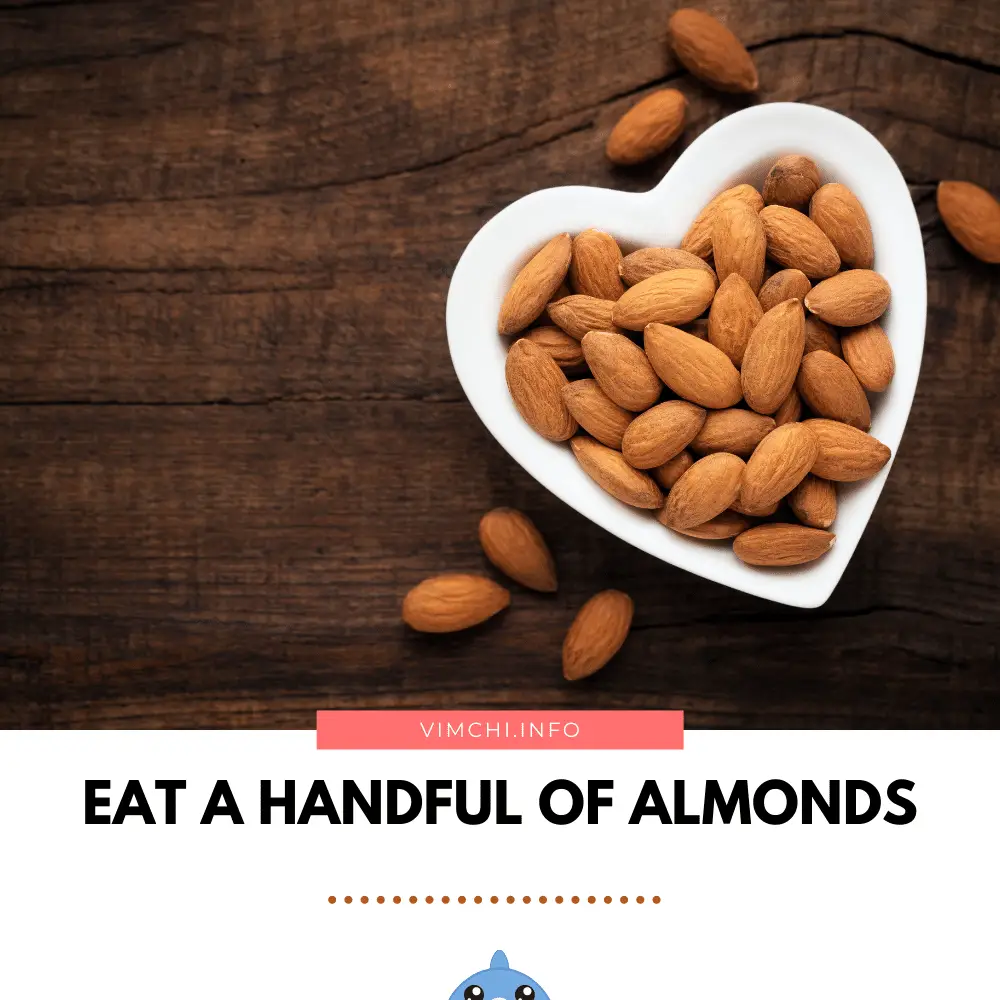
In that case, you should have a light snack. You may eat a handful of almonds. Then, after an hour or so, you can eat your small meal.
While you’re not fasting, you should maintain your usual eating pattern. That is, you must maintain eating within your daily calorie needs.
And avoid overindulging in high-calorie foods.
How Often to do a 48-Hour Fast for Weight Loss?
The healthy way to do it is to fast for 48 hours one to two times a month. According to this study, you need to space out your fast to gain better health benefits.
Is a 48-Hour Fast for Weight Loss Ideal for Everyone?
Just like any form of intermittent fasting, it’s not advisable for everyone. It’s especially true if you have a history of eating disorders.
Instead, you must try a shorter fast first. It may help your rheumatoid arthritis. But don’t try it if you are underweight or have a history of eating disorder because it will only trigger it.
For instance, you can choose to fast for 16 hours before you start to fast for 48 hours.
Doing a shorter fast before you go for a longer fast like a 48-hour fast for weight loss will allow your body to adjust. It will also help you understand more about how your body will respond to a lack of food.
48-Hour Fast for Weight Loss
This form of intermittent fasting may boost your weight-loss ability. However, you must understand that studies about this fast for weight loss are still lacking.
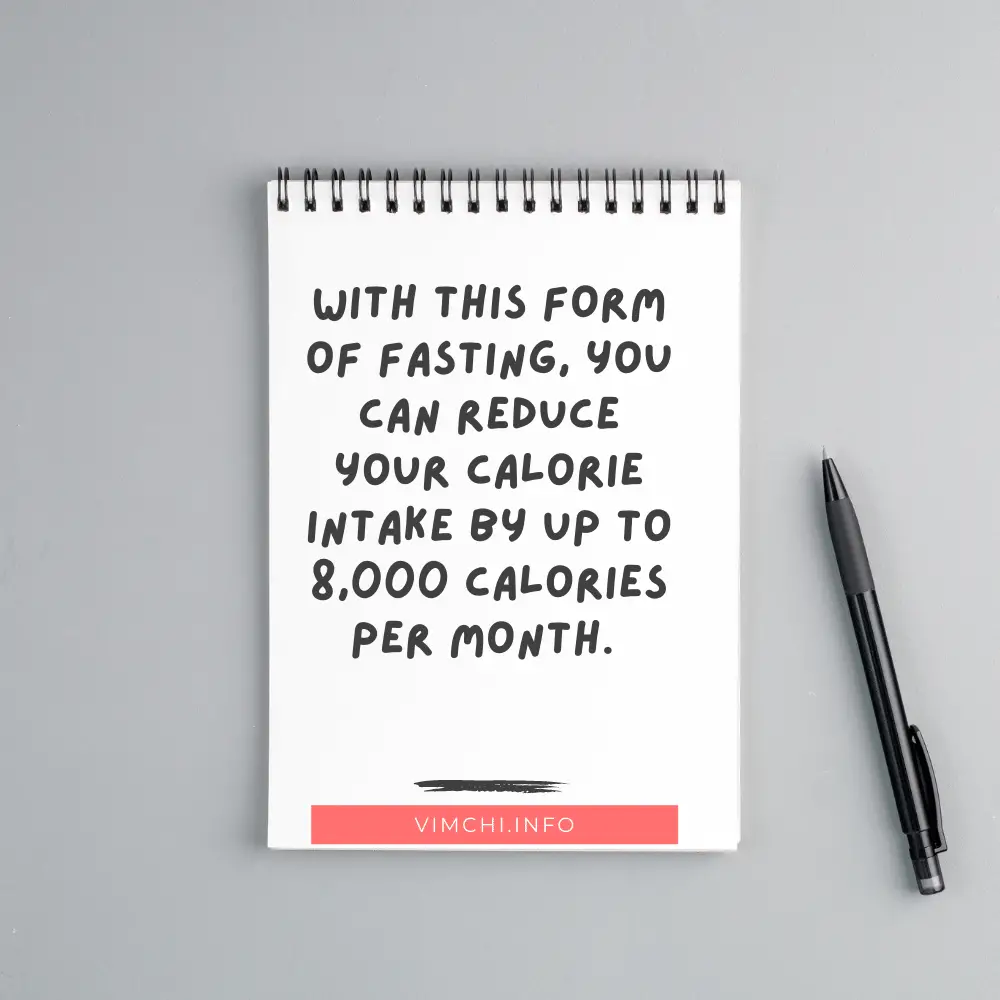
But a 48-hour fast once or twice per month can help in reducing calorie intake, which is important to lose weight. With this form of fasting, you can reduce your calorie intake by up to 8,000 calories per month.
However, this can only happen if you eat the right amount of calories per day. Thus, you should not overcompensate for the lost calories during your eating periods.
As long as you don’t overcompensate, fasting for 48 hours can increase your metabolic rate by up to 14%. It translates to 275 calories burned in a day.
But don’t fast for too long, though. This study showed that fasting longer than 72 hours could diminish the effects of fasting.
What to Eat During Your Eating Period?
To lose weight with a 48-hour fast, you need to eat the right food.
Some people who are fasting for 48 hours still eat. But they don’t eat very much.
However, if you want to be strict, you shouldn’t eat during the fasting periods.
On the other hand, if you wish to eat during your fasting periods, you can eat 500 calories a day.
Since it’s a limited amount of calories, you need to be wise in choosing the food to eat. Experts recommend eating lean protein, vegetables, and fruits.
A 500-calorie meal would include oatmeal with some fresh berries for breakfast. Then, for your snack, you can eat a tangerine. Your dinner can be a mixture of vegetable stir-fry and chicken.
You should also drink lots of water. Drinking tea, coffee, and soda with no calories may be okay.
Read: How Green Tea Burns Fat?
Will You Lose Weight with 48-Hour Fast?
If you’re following Will Tennyson on YouTube, you will find one of his videos about how he fasted for 48 hours. He did lose 13.6 pounds by just fasting for 48 hours.
During his fasting periods, he only consumed herbal tea, water, and black coffee. He just drank them when he was thirsty. He added sea salt and baking soda to water to replenish his potassium and sodium levels.
After 22 hours of fasting, he already felt the hunger pains. He started feeling light-headed. He also experienced a dip in his energy. Because of that, he skipped his weightlifting session but did some cardio.
He said that the closer he was to complete his 48-hour fast, the more he thought about food. Thus, he tried to forget about food.
At the end of his fast, he lost 13.6 pounds.
Cons of 48-Hour Fast
This type of intermittent fasting is not for the fainthearted. It’s not for everyone. Even if you have tried the 16-hour fast, the 48-hour fast isn’t suitable for everyone.
Hunger and Dizziness
They are common side effects of fasting. Severe hunger is temporary. However, for some individuals, they can last for a few hours that stopped them from fasting.
Exhaustion
Because you don’t eat, your stored carbs will drop after 24 hours of not eating. With the lack of stored carbs, your body turns to stored fats for energy.
After the first 24 hours, you may feel sluggish.
Conclusion
Weight loss with a 48-hour fast can provide health benefits. However, it’s not for everyone. You should try the shorter fasting periods first. After your body has adjusted to fasting, you can try fasting for longer periods like 48 hours.
If you do it correctly, you can lose weight with a 48-hour fast. To know more about the other intermittent fasting methods, check this out.
Speak Now ... Or Forever Hold Your Peace