Organic food is undoubtedly expensive. Go to the supermarket and look for beetroots or goji berries, and your wallet will cry if you pick them and proceed to check them out. Superfoods are costly because they can’t be massively produced. They’re also grown in a more tedious process.
Thankfully, though, there are ways to buy superfoods without breaking the bank.
Budget-Friendly Organic Food or Superfoods to Pick
Spinach
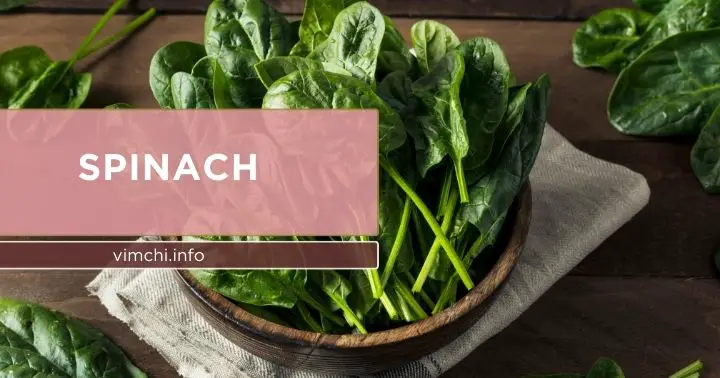
This isn’t my favorite, but it’s still a budget-friendly superfood that can work in various recipes. And to make sure it’s organic, you can plant in your backyard, if you have the space. It has plenty of nutrients and minerals, like calcium, magnesium, iron, potassium, and vitamins A, C, and K.
Sweet Potatoes
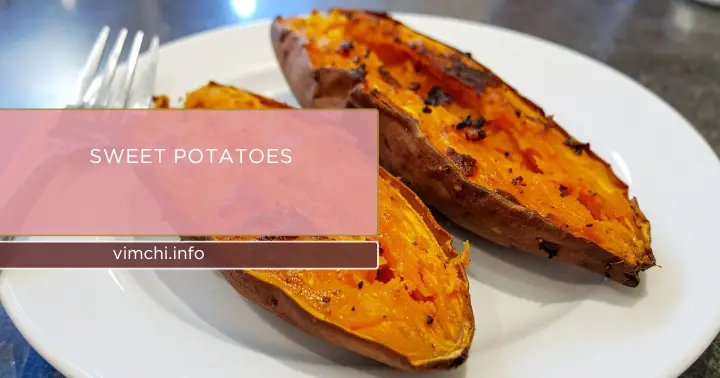
I eat them every day. They’re high in fiber. If you want the sweetest variety, opt for the orange-colored potato. They’ve natural sweetness that automatically shines in pies and other desserts.
There are various ways to prepare them. You can have them deep-fried or stuffed. But I prefer boiling them first before baking them. They help me become regular as they’re high in fiber. They’re also rich in vitamins A and C, as well as potassium and antioxidants. The nutrients they have can support your immunity, digestion, and eye health.
Where I live, you can purchase a kilo of potatoes for less than $1.
Carrots
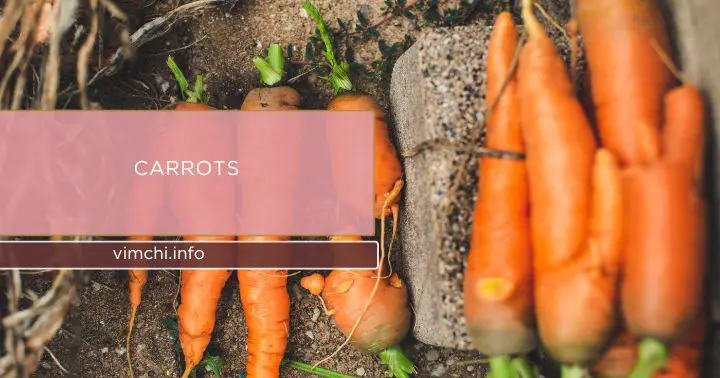
They’re also cheap and nutrient-dense. Just like sweet potatoes, they, too, are high in fiber, vitamin C, vitamin K, and potassium. Because of their antioxidant content, eating carrots regularly can help in lowering inflammation while reducing your risk of stomach cancer.
My late father used to eat them raw. But I prefer to cook them to soften them a bit. On the other hand, you can just add them to your salads in tiny slices.
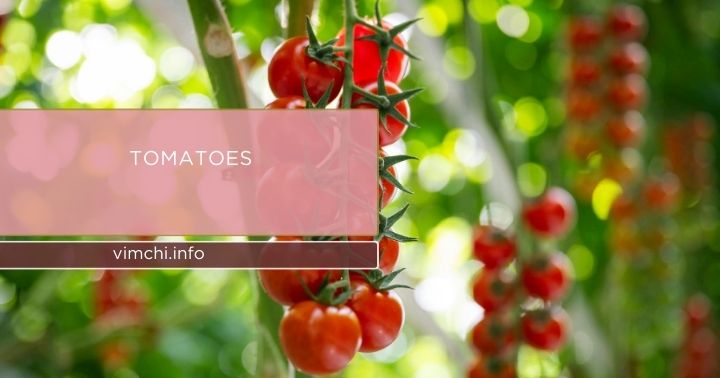
Tomatoes
It’s true that fresh ones are costlier than canned ones. But you can still buy fresh tomatoes at low prices when you go to the farmer’s market. On the other hand, if you can’t find cheap, fresh tomatoes, you may choose canned tomatoes. But make sure that they are BPA-free and their sodium content must be low.
Tomatoes are high in nutrients, including potassium, folate, vitamins C and K. And we all know that they are also high in antioxidant lycopene. If you have high levels of lycopene in your body, you can reduce your risk of certain chronic diseases, like heart disease and some types of cancer.
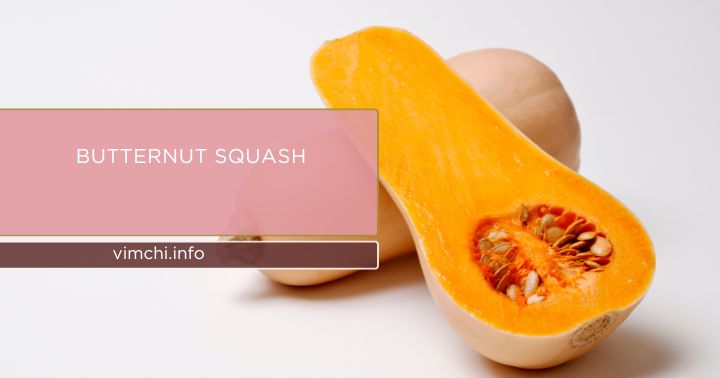
Butternut Squash
This nutrient-dense superfood is quite affordable, even though it’s not the cheapest. You can purchase a pound of it for only $1. A cup of this vegetable contains 127% of the DV for vitamin C.
It’s also high in soluble fiber and antioxidants that can help you control your weight while reducing your risk of heart disease. The best thing about it is that it’s easy to grow in your garden. You can either consume it as a side dish or eat it on its own.
Brown Rice
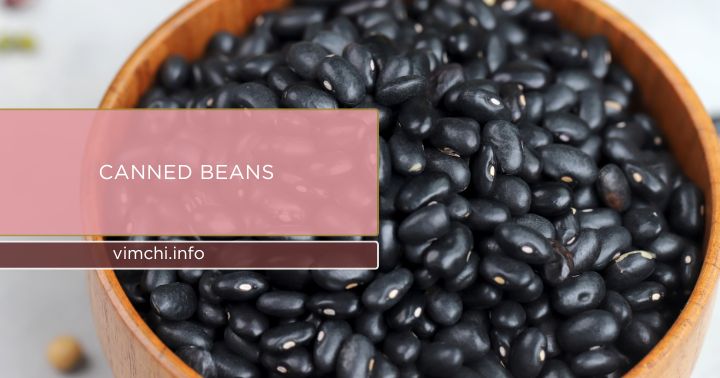
Canned Beans
They, too, are budget-friendly organic foods. It’s true that there are different types of beans on the market. But most of them are available for less than $1 per pound. Beans contain a high amount of fiber, vitamins, and minerals. They also contain folate, iron, magnesium, and potassium.
And if you wish to up your protein intake, then canned beans are the best, most affordable way to go. They’re a great source of plant-based protein, as one cup contains 14.5 grams of protein. You can incorporate them in any dish. But they’re commonly added to salads and burritos.
How to Shop for Organic Foods on a Budget?
Most of the food options mentioned above are already affordable. However, it still depends on where you purchase them. To help you buy them while you’re on a tight budget, here are some tips to consider:
Have a Plan
Menu planning is vital when you’re on a budget. You can plan at once, so you know what to buy for the whole week. This reduces constant trips to the store. It also ensures that you use up what you have already bought.
Make a List
My sister used to buy anything that came to mind while in the supermarket. This isn’t the key to budget shopping. That’s why I create a shopping list before going to the store. But not just a list. I make sure to list it with an estimated cost.
Don’t Shop Hungry
We’re all victims of it. But trust me, it’ll always blow your budget when you shop hungry. And most of the time, you buy things you actually don’t need, or you still have at home. That’s why, before you even go to the store, make sure that you eat a healthy snack.
Buy in Season
Foods that are in season are always cheaper. Not only that, but they also taste better. Also, most produce in season is organic. It means that it doesn’t contain the level of pesticides.
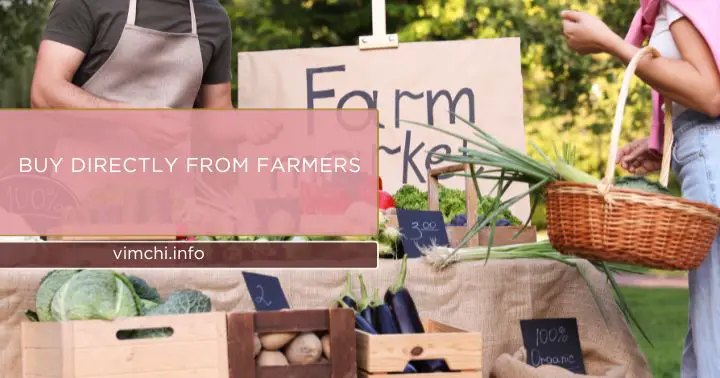
Buy Directly from Farmers
That’s why it’s ideal to just plant your own fruits and vegetables. However, if you don’t have the space at home, you can just go straight to the local farmer. This will help you cut the middle person, thereby reducing the overall cost. If you buy organic food from a local farm, you can be sure that it’s fresh and no pesticides. Get to know the farmer and his/her farm. So you can observe the farming practices.
Store Properly
This will help reduce food waste while also reducing money waste. For instance, onions and potatoes will last longer if they’re placed in a cool, dark pantry, but don’t store them together. Then, keep your tomatoes and melons on the counter.
Most of all, make sure not to wash the produce until you’ll use it because washing will only hasten wilting.
Buy in Bulk
This is the power of the unit price. For instance, the price of a small bag of quinoa includes overhead costs. But if you buy, say, a 25-pound bag, these overhead costs immediately vanish.
Thankfully, when you buy at a farmer’s market, you can scoop what you need. Or you can go to a wholesale club, like Costco, that offers organic staples at prices lower than the prices at a high-end grocery store.
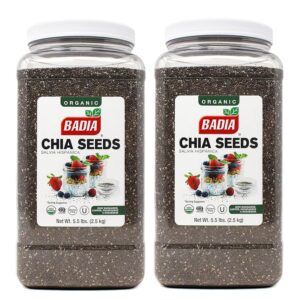
Invest in an Airtight Container
When you buy in bulk, make sure that it’s stored in an airtight container. What you’re doing here is controlling the oxygen exchange. Oxygen is the first fuel of oxidation. It turns apples brown quickly.
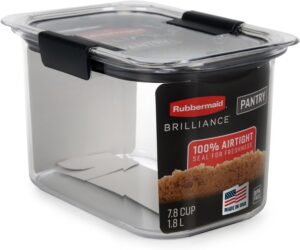
The goal of an airtight container is to keep enough moisture in and out. A sealed container, for instance, can trap the internal moisture in your leafy greens. In that case, the container keeps them crisp.
Eating Organic Food
Organic food has a shorter shelf life than conventional produce. That’s why you need to be smart about how to buy and store them. It may be more expensive than the regular produce. But there are ways you can lower its overall cost.
I’m so glad you’re here. Your perspective adds so much value to this community—feel free to leave a note below!