My mother undergoes a vitamin drip every two months. I asked her doctor whether it is the same as IV hydration therapy? The short answer is no. This post aims to explain the answers to the most frequently asked questions about IV hydration treatment and not vitamin drip.
1. What is IV Hydration Therapy?
As mentioned, IV hydration treatment is not the same as a vitamin drip. Even though they’re medically related, they’re not identical. Vitamin drip is more specific than IV hydration. Hydration treatment focuses on restoring your fluids and electrolytes. Previously, this treatment was used only for unconscious or post-operative patients. But many health enthusiasts these days are advocating this therapy.
Dehydration is a prevalent issue. It affects a lot of us. I have encountered it myself, and it wasn’t good. Although the go-to solution is increasing water intake, it may not be the best solution for severe dehydration.
It’s important to note that this therapy is only advisable if you have severe dehydration. The therapy involves the insertion of an IV line into your vein in the arm to deliver a solution that contains minerals and nutrients dissolved in electrolyte water.
The components of the fluids will depend on your age, medical history, and health status, as well as the severity of your dehydration.
2. Does IV Hydration Help You Detoxify Your Body?
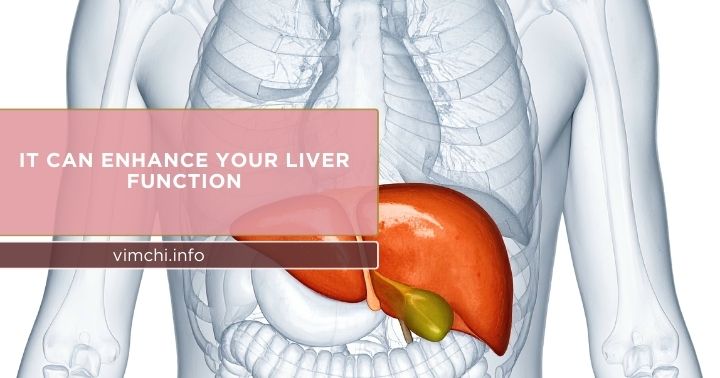
Our body does not need a detox program. The reason for this is that it has its own system to detoxify itself. We have our own liver, which is the detoxification machine. IV hydration, on the other hand, supports the body’s natural detox process. It means that it doesn’t flush your system to get rid of the toxins. What this therapy does is that it speeds up the natural detox process.
It means that it assists your liver functions. It also helps in neutralizing free radicals in the body. Depending on the components of the fluid, it can improve your body’s way of clearing toxins.
Then again, this therapy must not be used as a replacement for a healthy lifestyle. It is only designed to support liver function.
3. What are the Benefits of this Therapy?
There are many benefits of IV hydration. It’s true that it doesn’t replace your liver’s detox functions, but it does enhance its efficiency.
Remove Toxins
Because it hydrates your body and supplies essential nutrients, it enables your liver to work more efficiently. Keep in mind that proper hydration is vital to support your body’s detox machine in breaking down harmful chemicals. It also helps in clearing accumulated toxins from stress or unhealthy habits.
Enhance Liver function
As the therapy supplies nutrients, it can enhance your liver function. For instance, if you opt for IV therapy with glutathione, it can directly aid in liver detox. Vitamin B complex is great for metabolic detox processes. Magnesium, on the other hand, reduces inflammation. It also supports enzymatic functions in the liver.
Easy on Your Digestive System
Drinking a lot of water isn’t always kind to your digestive system. Not to mention, you’ll find yourself peeing every hour. Remember that your body has a limit for the volume of fluids it can absorb. When you drink more fluids, your digestive system works harder to get rid of the extra volume. While getting rid of the extra fluid, it also flushes out some essential nutrients.
Because IV therapy bypasses the gastrointestinal system, the delivery of nutrients and fluids to your body becomes more efficient. It creates less waste. Plus, it lets you retain most of the nutrients.
Reduced Recovery Time
If you’re severely dehydrated, this therapy restores your energy faster. And if you drank excessively last night, this therapy can help you recover from a hangover. You’ll feel great after receiving a cocktail of vitamins, nutrients, and fluids.
4. What are the Downsides of IV Hydration?
The therapy itself is generally safe and effective. However, it can still cause side effects. These may include the following:
- Damage to blood vessels
- Swelling in the area during and after therapy
- Bruising at the site of insertion. But this can be relieved by applying a cold (within 12 hours) and a hot compress (after 48 hours)
- Hematoma
- Formation of a blood clot
The risks are high if a person administering the IV isn’t fully trained. That’s why it’s pertinent that you only undergo this therapy in a certified healthcare facility. It must be a medical setting with trained professionals who can provide you with proper first aid if anything happens to you, although this is unlikely.
5. Is It Safe During Pregnancy?
It is generally safe. In fact, it offers comfort as it delivers essential nutrients directly into the bloodstream. It can even be helpful if you’re experiencing severe morning sickness. However, it must only be administered by licensed professionals.
6. How Quickly Does an IV Hydrate You?
It depends on your hydration needs. Typically, it takes up to 90 minutes. Your doctor will evaluate your hydration status and overall health, as they can affect how quickly the body responds to this therapy.
Knowing the duration of IV hydration is vital for scheduling the treatments more effectively. The effects of hydration may manifest in various ways, including enhanced cognitive function and increased energy levels. Furthermore, the duration of the effects also varies. You may experience sustained benefits for days. Others may need additional treatments to be properly hydrated.
7. How Many Sessions to See the Result of IV Hydration Treatment?
It depends on your medical condition and hydration status. This therapy can be done as often as required. But you must only do it once a week and only under the supervision of a specialist. My mother undergoes an IV vitamin drip every two months. Her hydration level is actually normal.
8. What Conditions Can IV Therapy Treat?
This therapy offers various benefits for your body. Because it can give you proper hydration, it can help boost your immune system. This is especially true if you’re undergoing an IV vitamin drip. It provides your body and immune system with the extra nutrients to avoid illnesses.
After a night out with your friends, you might feel a bit hungover. IV therapy can address hangover symptoms. It can boost electrolytes to relieve dehydration related to drinking and alcohol.
If you’re deficient in some nutrients, your doctor can request this therapy so you’ll stay healthy. For instance, if you’re living with celiac disease, this therapy can give you the nutrients you need quickly, thereby improving your health and wellness.
Then, if you’re worried about your dry, sagging skin, this therapy may be able to help. It can provide proper hydration, giving an excellent appearance to your hair, skin, and nails. It also helps in boosting your skin elasticity and skin tone, thereby providing a youthful glow.
9. What are the 4 Most Common IV Solutions?
The most commonly administered solutions are the following:
- 0.9% normal saline: This is best for general dehydration. It’s a mixture of salt and water.
- Lactated Ringer’s: It’s designed for severe illness as it’s rich in electrolytes.
- Dextrose 5% in water: This is great for an energy boost. As the term implies, it’s sugar-based.
- 0.45% normal saline: It has lower salt, and it’s best for mild cases.
What Does the Science Say?
The scientific evidence that supports IV hydration therapy is still superficial. However, it’s promising. The people, including my mom, who have undergone IV hydration reported feeling more refreshed.
Whether you have a medical condition or you simply wish to stay healthy and fit, IV hydration may be an excellent option. Talk to your doctor about it.
Speak Now ... Or Forever Hold Your Peace