
I do suffer from anxiety and a lack of focus from time to time. I thought they were just a brain issue. It wasn’t until I started logging what I ate that I noticed something. It turns out, these issues are just the result of what I eat. Hence, in this post, I want to share with you the foods to eat to improve mood. These are the same foods that I consume to fuel my mental state.
How to Reduce Anxiety and Increase Focus with Foods?
Some studies suggest that proper nutrition can somehow improve your symptoms. Thus, changing your diet and focusing on highly nutritious foods can ease anxiety symptoms.
1. Fatty Fish

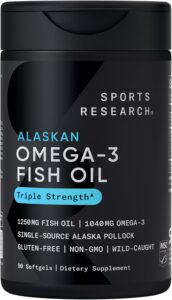
Unfortunately, not everyone has easy access to these types of fatty fish. Hence, you may consider taking omega-3 supplements. Researchers found in this study that EPA and DHA supplementation could reduce levels of anxiety.
In addition to omega-3, fatty fish also contain vitamin D. Several studies show that vitamin D deficiency could lead to mood disorders and anxiety issues. In fact, this research found a link between low levels of vitamin D and depression and anxiety traits. Then again, further studies are required. Researchers recommend taking higher-dose supplements if you have a vitamin D deficiency, instead of just eating fatty fish alone.
However, make sure to talk to a doctor before you take higher-dose supplements.
2. Dark Chocolate
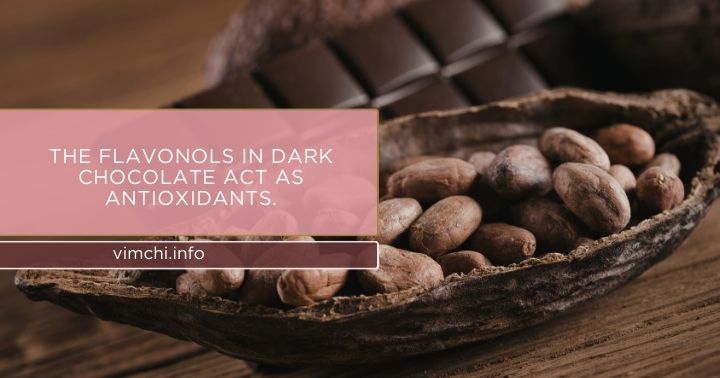
Yes, there’s a reason your mood is improved after eating chocolate. The flavonols in dark chocolate act as antioxidants. A study suggests that these antioxidants provide benefits to the brain and have neuroprotective effects. Furthermore, these flavonols may boost blood flow to the brain. They can also enhance cell-signaling pathways.
The role of dark chocolate in brain health may be due to its taste that’s comforting taste (no one can deny it) if you have a mood disorder, according to this 2018 study.
This study also found that people who consumed dark chocolate had lower symptoms of depression compared to those who didn’t eat dark chocolate often.
3. Yogurt
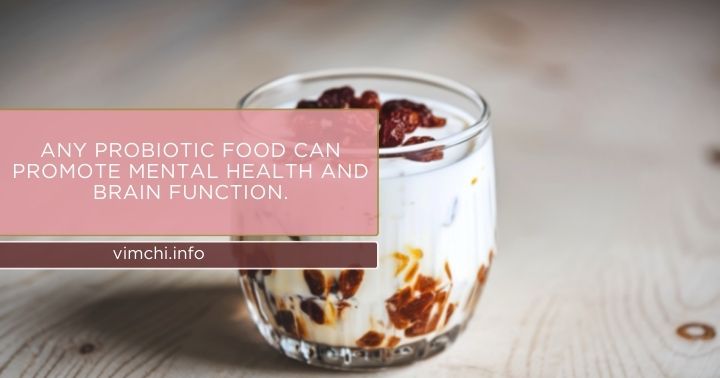
Healthy bacteria are known for their health benefits. And the benefits include mental health. Yogurt is high in healthy bacteria.
Probiotics may also support the gut-brain connection. Research suggests that having healthy gut bacteria can boost mental health. Any probiotic food can promote mental health and brain function. This type of food reduces inflammation and increases the production of serotonin and other mood-boosting neurotransmitters.
If you’re a postmenopausal woman, consuming probiotic yogurt each day for at least 6 weeks could improve anxiety, stress, and quality of life, according to this study.
Then again, researchers recommend that further studies are required. More human trials are necessary to explore the direct link between anxiety and yogurt consumption.
It’s vital that you choose a yogurt with live active cultures with ingredients listed. That’s because not all yogurt contains probiotics.
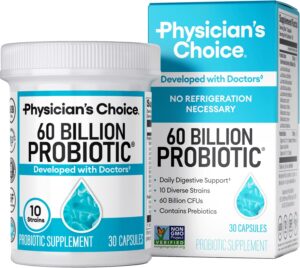
If you’re not fond of eating yogurt, you may consider taking probiotic supplements.
4. Almonds
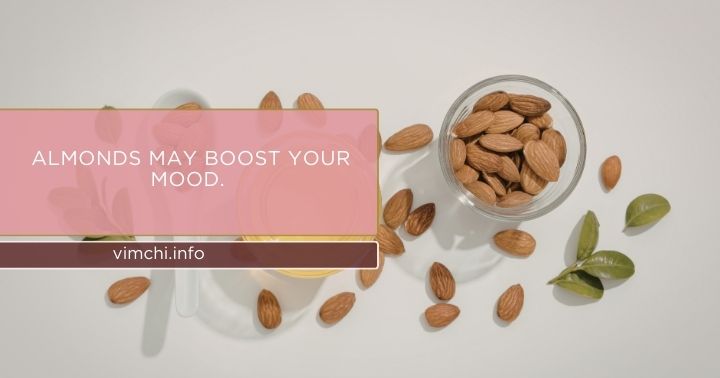
They’re my favorite. Almonds are known as a great source of various nutrients, including those that can promote brain function, like vitamin E and healthy fats. Some animal studies showed that almonds could reduce oxidative stress and inflammation.
Furthermore, almonds may offer properties that can boost your mood.
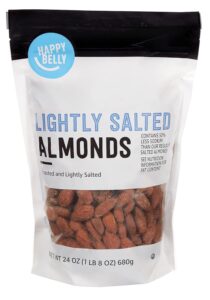
I prefer these lightly salted almonds by Happy Bell.
5. Avocados
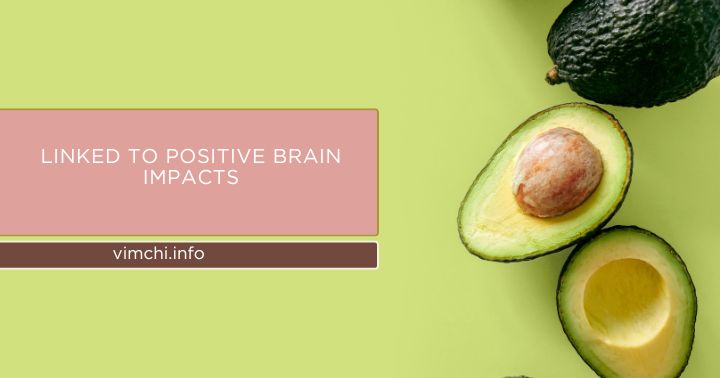
They’re packed with healthy fats and nearly 20 vitamins and minerals that can promote brain health. Avocados can also help in regulating neurotransmitters while reducing inflammation. This is the reason avocado is a prime example of a food that’s good for mental health.
Avocados are also known for their high amount of lutein, which is also linked to positive brain impacts. They’re versatile as well, and they can be added to your salads, smoothies, or you can eat them on their own.
6. Blueberries
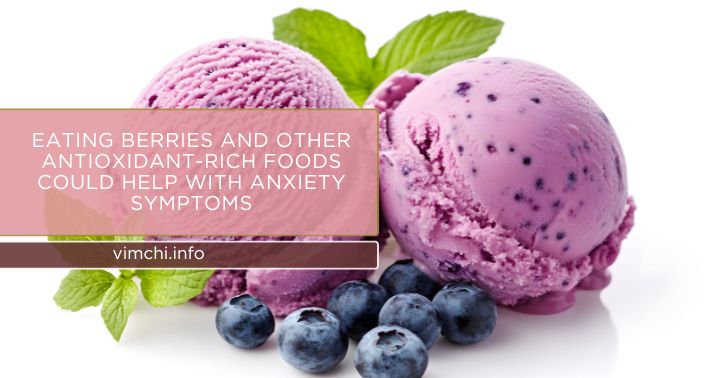
Blueberries, raspberries, and strawberries are high in antioxidants. They can reduce oxidative stress and inflammation in your brain to improve your mood. Antioxidants from berries and other foods can prevent and reduce symptoms of depression.
And if you have current mental health issues, eating berries and other antioxidant-rich foods could help with your symptoms. They are also great in supporting your memory while protecting against cognitive decline.
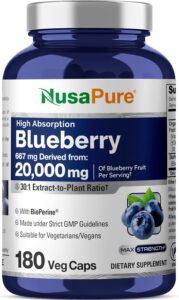
In my case, blueberries aren’t easy to access. That’s why I take a Blueberry supplement.
7. Eggs
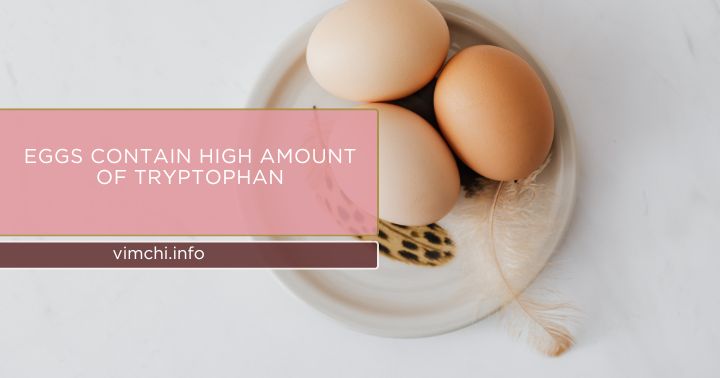
I eat eggs nearly every day now. They’re an excellent source of tryptophan. It’s a neurotransmitter that can be beneficial for anxiety symptoms. This 2021 study showed that tryptophan and protein deficiency could lead to higher anxiety levels.
Eggs aren’t just high in tryptophan, but they also contain a high amount of vitamin D. Some studies showed that low vitamin D levels are linked to increased symptoms of depression and anxiety.
Do Bananas Help Anxiety and Focus?
They’re known to contain several nutrients that can help with anxiety. For instance, bananas are high in tryptophan. As mentioned, tryptophan is a brain chemical that can play a vital part in mood regulation. And it can decrease anxiety while increasing your positive mood.
Furthermore, bananas contain magnesium that can regulate some hormones associated with mood. Potassium is also found in bananas. This essential mineral can play a part in nerve function that can affect mood and anxiety symptoms.
However, bananas aren’t proven to treat anxiety. But they do contain nutrients that can ease anxiety symptoms. Thus, including them in your diet can support your overall mental health.
Anxiety and Lack of Focus
Most of us do feel anxious or scared. We tend to be distracted and lose focus. It’s quite normal. To ease any anxiety symptoms, you may opt to try those foods to eat to improve your mood or take supplements. Then again, if it’s affecting your life, then you may need professional support to cope with your fear or panic.
I’m so glad you’re here. Your perspective adds so much value to this community—feel free to leave a note below!