
Sometimes, I eat because I’m hungry. In other cases, I eat because I remember there’s a box of Meiji Macadamia Nuts in the fridge. Then, the cravings start. This is the reason I’m practicing mindful eating. In that way, I can decide between emotional hunger vs physical hunger. Unfortunately, it’s always the former.
Below, I break down the 11 ways to tell the difference between emotional and physical hunger. Knowing the difference can help transform your OMAD (One Meal a Day) fasting practice.
Key Differences: Emotional Hunger vs Physical Hunger
1. Sudden Onset vs Gradual Build
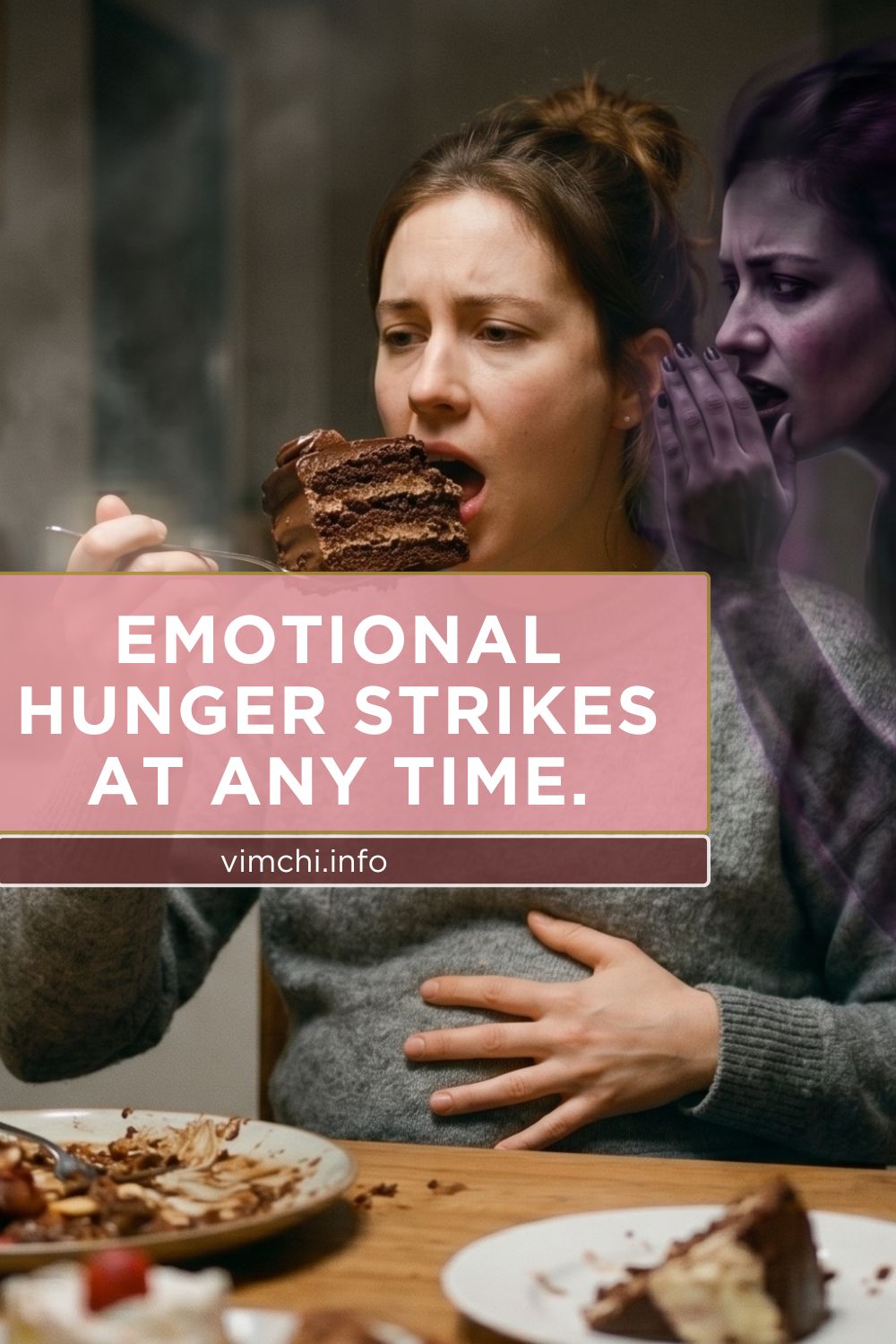
Emotional hunger strikes at any time. It’s like lightning. One minute I’m focused on my task, the next, I’m overwhelmed by an immediate need to eat. This usually happens after scrolling my IG feed filled with cake posts.
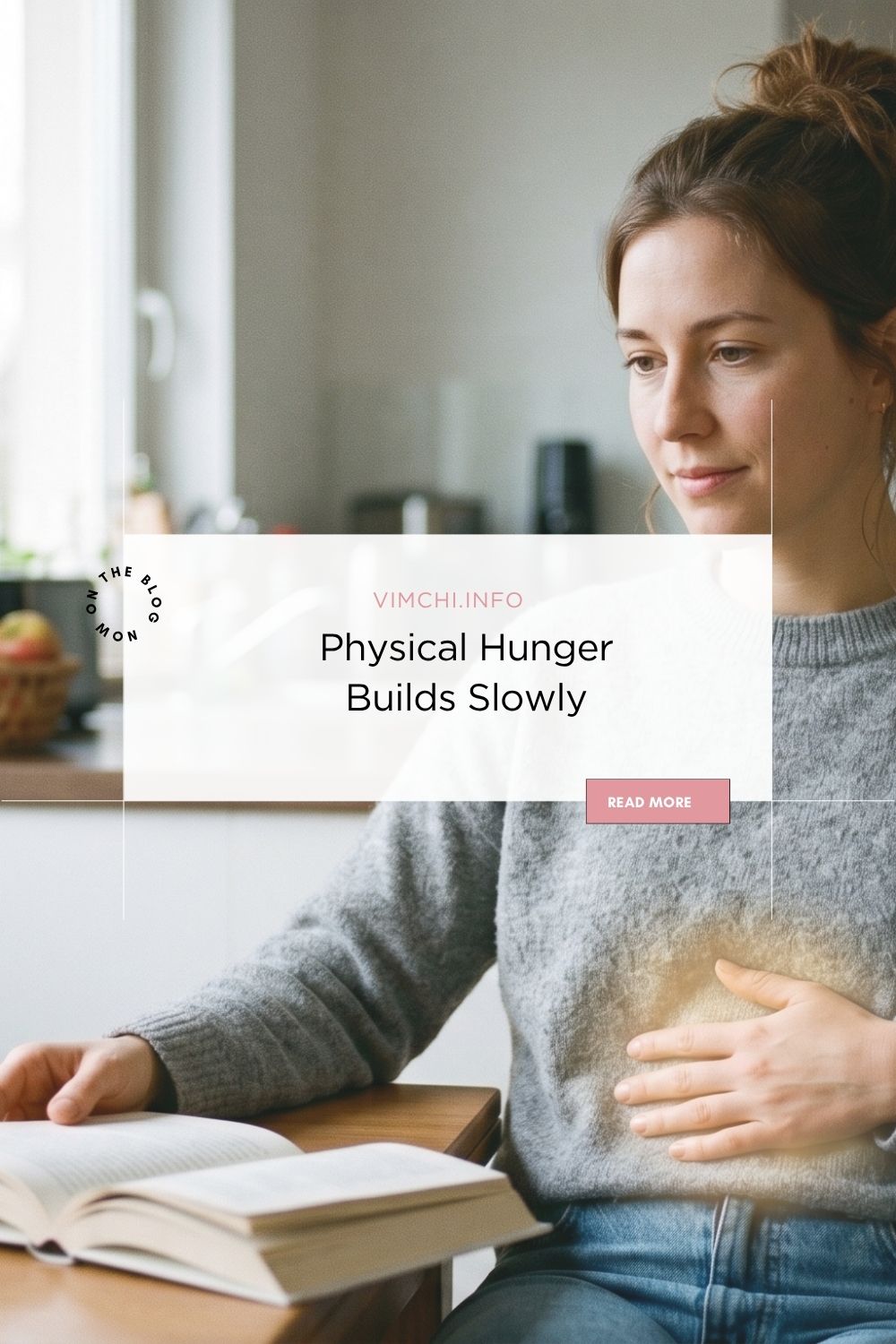
Physical hunger, on the other hand, builds slowly. It starts as a slight twinge in your stomach. Then, it gradually escalates into a soft rumble. It then turns into an undeniable pang. Since it’s tied to the gradual digestion of your last meal and the slow release of your hunger hormone, it gives you a lot of warnings.
2. Specific Cravings vs Openness to Options
Emotional hunger demands a certain food. It doesn’t ask for a balanced plate of protein and greens. Rather, it makes you want to eat hyper-rewarding foods, like those high in sugar, fat, or salt. You might feel like only a certain brand of chocolate or a slice of pizza will hit the spot.
Physical hunger is flexible. When your body really needs fuel, it’s open to a variety of foods. In that case, you can satisfy your hunger by simply eating a handful of almonds or a bowl of soup. A simple apple will also sound appealing and satisfying.
3. Above the Neck vs Below the Neck
Emotional hunger doesn’t originate in the stomach. Rather, it starts in the mind. It’s called a mental fixation. You can’t stop thinking about the taste, texture, and smell of the food you want. It’s mouth hunger. It’s your desire to taste and chew to soothe your emotions.
Physical hunger, however, originates in your body. You feel it below the neck. It manifests as physical sensations, a gnawing feeling in the stomach, and a drop in energy. You also get a slight headache. Your body is physically communicating that you’re out of energy.
4. Urgent vs Patient
Emotional hunger feels like an emergency. It demands to be satisfied right now. The urgency is tied to the emotional distress you’re trying to soothe. The brain wants the dopamine hit immediately to stop the negative emotion.
Physical hunger can wait. True hunger is patient. You can ignore it for hours and let your blood sugar crash. You can also acknowledge that you’re hungry and comfortably wait until you have time to prepare a nourishing meal.
5. Tied to Triggers vs. Tied to Time

Emotional hunger is reactive. It follows a certain trigger. When this happens, ask yourself these questions:
- What just happened?
- Did you receive a stressful email?
- Did you have an argument with your boss or spouse?
- Are you procrastinating on a difficult task?
- Are you simply bored on the couch?
- My emotional hunger is usually triggered by looking at an Instagram post or a YouTube video.
Physical hunger, on the other hand, is rhythmic. It’s logical, and it’s tied to time. If it’s been four to six hours since your last meal, the hunger you’re feeling makes a lot of sense. You also get physically hungry after you’ve completed a strenuous workout. After playing 9 holes, I don’t feel hungry immediately. Rather, I just want to drink cold, zero-calorie soda. But I just eat boiled eggs to stop the cravings that I know would start in an hour.
6. Mindless Eating vs Conscious Eating
Emotional eating happens in a trance. You might sit down with a bag of chips. Unfortunately, before you know it, your hand is scraping the bottom of the empty bag. But you barely taste the food because the goal is numbing and not nourishment. This usually happens to me when I don’t eat after playing golf.
Physical eating is conscious. When you eat to satisfy your physical hunger, you’re more aware of the food on your plate. You notice the flavors and textures. You’re also actively engaged in the process of fueling your body.
7. Guilt vs Satisfaction Afterward
Emotional hunger leaves a hangover. After the rush of dopamine fades, emotional eating is followed by feelings of guilt, shame, or regret. You realize the food doesn’t solve your problem. Now, you feel physically uncomfortable on top of the original emotion.
But physical hunger leads to contentment. After satisfying your physical hunger, you feel good. You feel energized, satisfied, and ready to move on with your day. There’s no guilt because you simply answered your body’s request for fuel.
8. Unquenchable vs. Satiated by Fullness
You can’t satisfy your emotional hunger. No food can. The reason for this is that the hunger isn’t the result of a lack of calories. Thus, there’s no amount of food that will truly satisfy it. You might eat until you’re physically stuffed or feel an empty urge to keep eating. The void you’re trying to fill is not physical. It’s emotional. And you can’t satisfy it with food.
Physical hunger, however, stops when you’re full. When your stomach stretches, and your satiety hormones like leptin are released, your body sends you a signal that you have had enough. Food stops tasting quite as spectacular. It’s easy to put the fork down.
9. Texture Seeking vs Sustenance Seeking
Emotional hunger craves a certain physical sensation. The texture of the food correlates with your emotions. If you’re angry or frustrated, you crave crunchy food, like chips or pretzels. You pick it so you can aggressively chew it. But if you’re sad or lonely, you crave smooth, comforting foods like ice cream, cheese, and macaroni.
Physical hunger, on the other hand, seeks sustenance. You might enjoy the texture of your meal. The primary drive here is securing sufficient macronutrients, like protein, fats, and complex carbs. Your body is telling you that you need to restore your energy levels.
10. Ignoring Satiety Signals vs Tuning In
Emotional hunger simply ignores your body. If your stomach feels stretched, emotional hunger will still tell you to push past the discomfort to get a few more bites. But physical hunger listens to your body. This is a key component of intrinsic health. It’s tuning into your body’s subtle cues. When eating for physical hunger, you naturally slow down as you approach fullness, which also respects your body’s limits.
11. Trying to Change State vs Maintaining Homeostasis
Emotional hunger alters your reality. You’re using food as a drug to change your current state of being, either to calm you down or distract yourself. But physical hunger is about maintaining balance; your body tries to return to homeostasis. It has already burned your available fuel and needs a refill to keep your systems running smoothly.
How Differentiating Hunger Types Transforms OMAD Fasting
Fasting is an effective tool for cellular repair, insulin management, and metabolic flexibility. But it’s also a mental game that’s harder than the physical reality. When you condense your eating window into a single hour, you spend 23 hours in a fasted state. During this time, you’ll experience waves of hunger. The key to making OMAD sustainable rather than torturous is understanding which hunger you’re experiencing.
Surviving the Fasting Window
During your 23-hour fast, you’ll face emotional triggers. It can be work stress, boredom, or evening fatigue. These can all whisper to you that you need a snack. If you mistake it for physical starvation, you’ll break your fast prematurely and get a sense of failure. However, when you recognize the sudden onset, the mental fixation, and the craving, you can say to yourself that your body isn’t starving, but it’s your brain that’s stressed. You can then redirect that emotional energy into a glass of water or just a few minutes of deep breathing.
Surviving OMAD
OMAD can become a breeding ground for binge eating if you don’t approach it mindfully. When it’s time for your one meal, your emotional hunger can hijack the experience. The mindset of “I deserve everything because I haven’t eaten all day” shifts you from physical nourishment into a mindless, urgent gorge. Read Bianca Darcer’s story about how she survived with just one meal a day while looking for clients to help her pay her bills.
But you can combat this by breaking your fast slowly. When you can differentiate emotional hunger from physical hunger, you can treat your one meal as a moment of nourishment, instead of a reward. It’s where tracking your physical and emotional states becomes invaluable.
Using our mindful eating journal lets you log not just what you broke your fast with, but how you felt before, during, and after the meal. Writing down your emotional state can help you stay focused and anchored in physical hunger. You can ensure that your one meal supports your health, instead of acting as an emotional band-aid.
Emotional Hunger vs Physical Hunger: Frequently Asked Questions (FAQs)
1. What is the difference between emotional hunger and physical hunger?
Emotional hunger strikes suddenly. You crave specific comfort foods like sugar or salt, and it’s driven by mood. It often ends in guilt. But physical hunger builds gradually over time. It’s flexible about food choices and naturally stops when your stomach is full. It ends in physical satisfaction.
2. What is emotional hunger?
Emotional hunger is the urge to consume food to cope with feelings, instead of a physical need for energy. It’s a coping mechanism where the brain seeks a quick dopamine release from high-palatable foods to temporarily soothe stress, boredom, sadness, or anxiety.
3. How to deal with emotional hunger?
The most effective strategy is to practice the pause. When an intense craving hits, force a 10 to 15-minute gap before eating. Use this time to drink a glass of water. Change your environment, if you can. Or write your emotions in your journal to help you identify and address the root emotion triggering the urge.
4. Why am I mentally hungry but not physically?
You’re mentally hungry because your brain is seeking stimulation, emotional regulation, or a distraction from your current reality. It’s often referred to as mouth hunger. This urge is triggered by habits, environmental cues, or stress, instead of an actual deficit in calories.
5. What should I do if I genuinely can’t tell which hunger I am feeling?
Use the apple test. If you feel hungry, ask yourself, “Would I eat a raw apple right now?” If the answer is yes, you’re experiencing physical hunger. It means that your body needs fuel and is willing to accept any natural food. If it’s a no because you only want a specific treat, then you’re dealing with emotional hunger.

Jane is a licensed medical technologist who bridges the gap between clinical precision and digital innovation. While her formal background is rooted in the meticulous world of laboratory science, her passion lies in the logic of software development. When she isn’t analyzing data or writing clean, efficient code, you can find her on the golf course, applying that same focus and discipline to her swing.
I’m so glad you’re here. Your perspective adds so much value to this community—feel free to leave a note below!