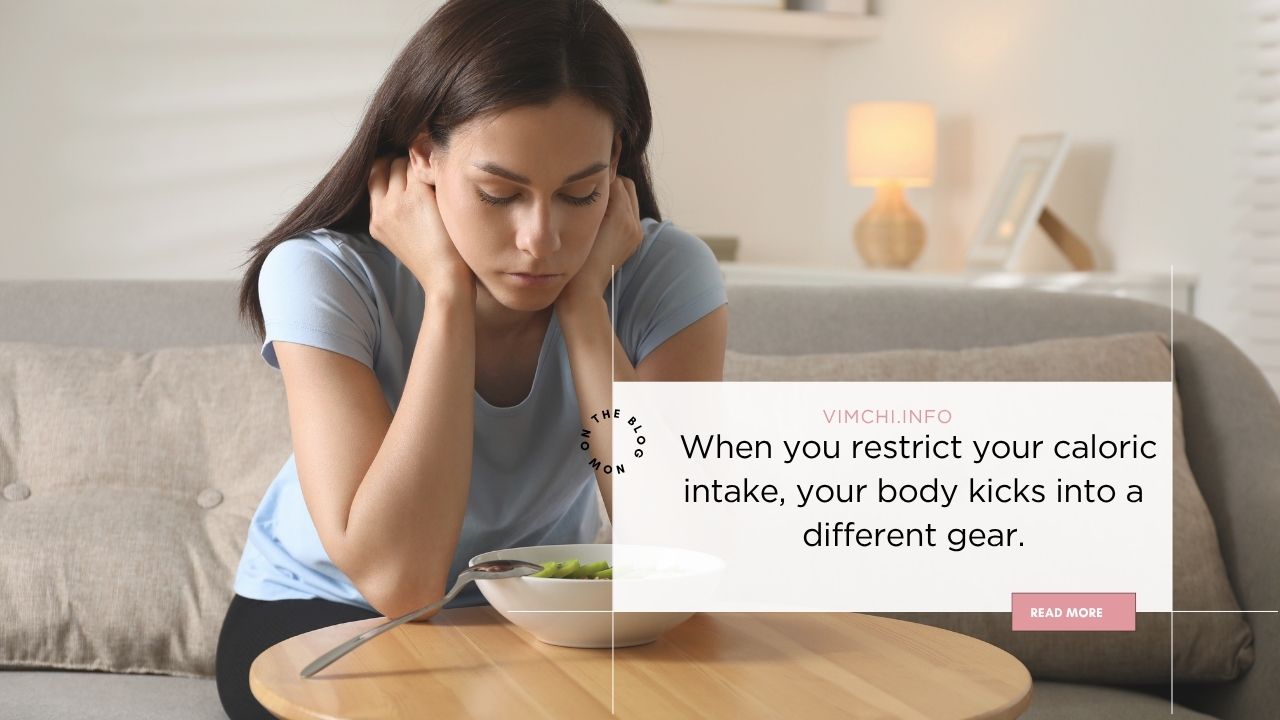
Have you started restrictive dieting? That is, you follow a strict diet on Monday and only to find yourself eating a pint of ice cream by Wednesday night? This was me before I started practicing mindful eating.
Restrictive Dieting and Emotional Eating: Why Does It Happen?
For many years, we’ve been taught a lie that weight loss and health need strict calorie deficits. Some “health experts” even recommend eliminating your favorite foods. But research shows that these behaviors aren’t sustainable. They often backfire. Instead of helping you lead a sustainable lifestyle, restrictive dieting just keeps you in the loop. That is, you restrict your diet, binge, and vice versa.
It happens because our bodies don’t know the difference between a fad diet and a real famine. When you restrict your caloric intake, your body kicks into a different gear.
Affecting Hormones
When you restrict your food, your body’s production of key hormones that protect you from starvation will be greatly affected. For instance, ghrelin, which his the hunger hormone, will increase when you’re energy-deprived. It makes you crave food, and it increases your appetite.
The hormone, leptin, that’s responsible for signaling your brain that you’re full, is down. As it drops, your stomach is slow to tell you that you’re physically full. Hence, you eat until you empty your bag of chips.
Reward System
Dieting also changes your brain chemistry. When you don’t eat carbs and fats, your brain’s reward system becomes hyper-responsive to these nutrients. It means that when you eat these forbidden foods, your brain releases a massive amount of dopamine. This intense reward reaction reinforces the behavior. It means you crave more when you feel sad or stressed.
Depriving Yourself
The drive to eat is powerful, but the impact of restriction is devastating to your body. It affects how you see and treat food. When you are able to categorize foods as good or bad, clean or junk, you’re giving food power. Telling yourself that you can’t eat chocolate again makes chocolate the most desirable thing in the world. In other words, you crave more chocolate. Since I started mindful eating, I no longer follow a restrictive diet. I eat what I want, but in moderation.
You’re fighting your urges using willpower. But when that moment dies, the urges come back. It can be caused by a long day at work or an argument with your boss.
It often results in food guilt after eating. Instead of you enjoying the highly processed food and moving on, restrictive dieting will tell you to eat one cookie, feel that you’ve ruined your diet, and proceed to eat the entire box of cookies. This guilt fuels a sense of shame. It triggers your desire to restrict the next day again. You restart the cycle.
Emotional Hunger and Physical Hunger
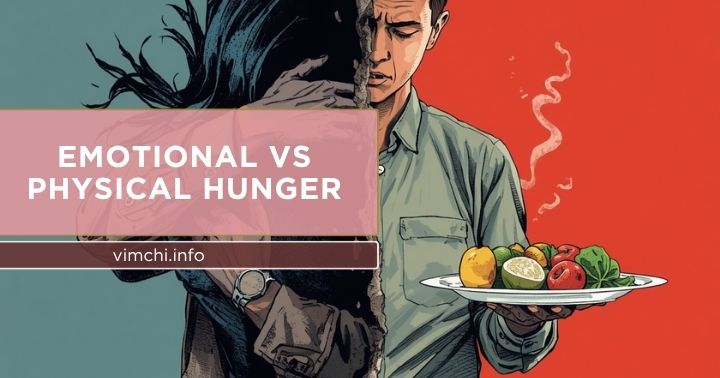
One of the most damaging side effects of restrictive dieting is that you disconnect yourself from your body’s cues. When you rely on external rules, your body will stop listening to your internal signals. Over time, you lose your ability to differentiate between emotional hunger and physical hunger.
If your hunger is “physical,” you can satisfy it by eating anything. You’ll stop when you’re full, and it won’t cause guilt. Emotional hunger, on the other hand, hits instantly. It requires you to eat certain foods, like a cheesecake or chocolate. This one leads you to eat mindlessly. Then, after eating slices of cake or a full box of chocolate, you feel guilty. You’ll tell yourself not to eat tomorrow or restrict your diet.
It leaves you in a constant state of physical hunger when you restrict your diet. Emotional triggers hijack your eating habits. You start using food not just to give you energy but as your way of coping with the challenges you’re facing.
Dieting to Emotional Eating
When your restrictive dieting compromises your hunger cues, emotional eating becomes your response to any changes in your nervous system.
1. Stress
Have you ever asked yourself, “Why do I eat when stressed?” The answer is in your cortisol level. Pretty sure, you’ve heard this hormone. Your doctor might ask you about it when you experience chronic stress because it elevates when you are chronically stressed. Unfortunately, this hormone also increases your appetite and your motivation to eat. When you have high cortisol, your brain tells you to eat sugary foods or high-calorie foods, like pizza, because they give you a temporary spike in serotonin.
As a result, food becomes the easiest way for you to calm your nervous system.
2. Boredom
Many people eat when they’re bored. So you’re not alone. When you follow a restrictive diet for so long, like drinking only protein shakes, you always obsess over your next meal. As a result, food becomes your source of entertainment and dopamine. If you’re bored, your brain seeks a quick reward.
A restrictive diet makes food the center of your universe. For instance, you often go to your pantry to break up the monotony of the day. You eat a bag of chips while watching Netflix.
3. Unprocessed Emotions
Without a healthy way to cope with your stress, you continuously use food to numb your uncomfortable feelings. Restrictive dieting creates an internal tension. When you face emotional eating triggers, like sadness or anger, the strict rules of your diet are now in shambles because your brain seeks the regulation that comfort food provides, no matter how temporary it is.
How to Stop Emotional Eating?
Ending the restriction and emotional eating requires a shift in your mindset. You can’t hate yourself. You also can’t restrict your way to food freedom.
To break the cycle, do these things:
Give Yourself Permission to Eat
The best way to break the cycle is to give yourself unconditional permission to eat. You can tell yourself you can eat a brownie anytime you want. Doing so causes the brownie to lose its power over you. In other words, you should remove the scarcity mindset. When you do that, you reduce the urgency to binge.
Get Rid of Your Diet Mentality
If the calorie-counting app you’re using promotes certain body standards, you should ditch it. You can also unfollow social media accounts that only promote a certain body form. You must remove any external rules so you can start hearing your internal cues again.
Build a Set of Coping Skills
Eating helps you cope. It’s valid. But it must not be the only mechanism. To help you start a toolkit of coping skills, you may check out our emotional eating practical guide. It helps you identify your triggers and develop self-soothing techniques, such as journaling, deep breathing, or walking.
Practice Mindful Awareness
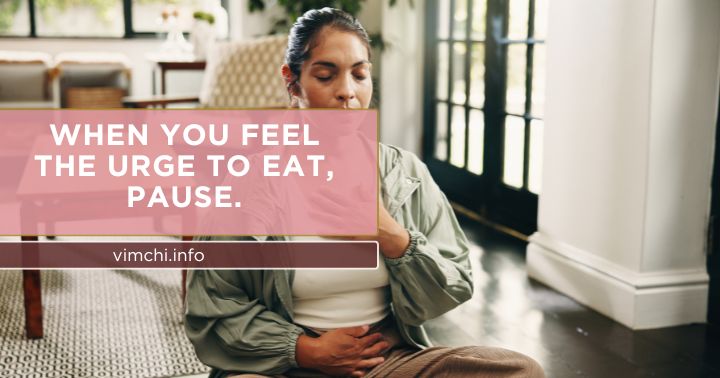
Mindfulness is heavily promoted these days because it works. Being mindful helps you become present in the moment without judging yourself. When you feel the urge to eat, pause. Don’t go to the pantry or open the fridge door. Just pause. Determine whether or not you’re physically hungry or simply want to soothe your anxiety. Just remember that doing this won’t stop you from eating. When you’re aware of your feelings, you can start internal healing.
Treatment for Emotional Eating
It’s vital to acknowledge that overcoming restrictive dieting and emotional eating is not a straight journey. If you are stuck in the binge-restrict cycle, you must seek a professional to help you find treatment for your emotional eating. Registered dietitians who specialize in intuitive eating, along with therapists trained in eating disorders or Cognitive Behavioral Therapy (CBT). These professionals can help you discover your beliefs about food and your body.
Furthermore, these professionals can provide you with a safe space to explore the real causes of your emotional triggers while still guiding you through the process of properly re-nourishing your body.
Reflect
Active reflection will help you know what to do and actually do it. When you get rid of restrictive dieting, you need a way to track your progress, but not by monitoring your calories, macros, or weight.
Instead, you should track your feelings, your hunger cues, and your emotional triggers. This is the reason why I created the Why Am I Eating Journal. This mindful eating journal is designed to heal your relationship with food. It’s not like a traditional diet that induces guilt and focuses on the math of what you ate.
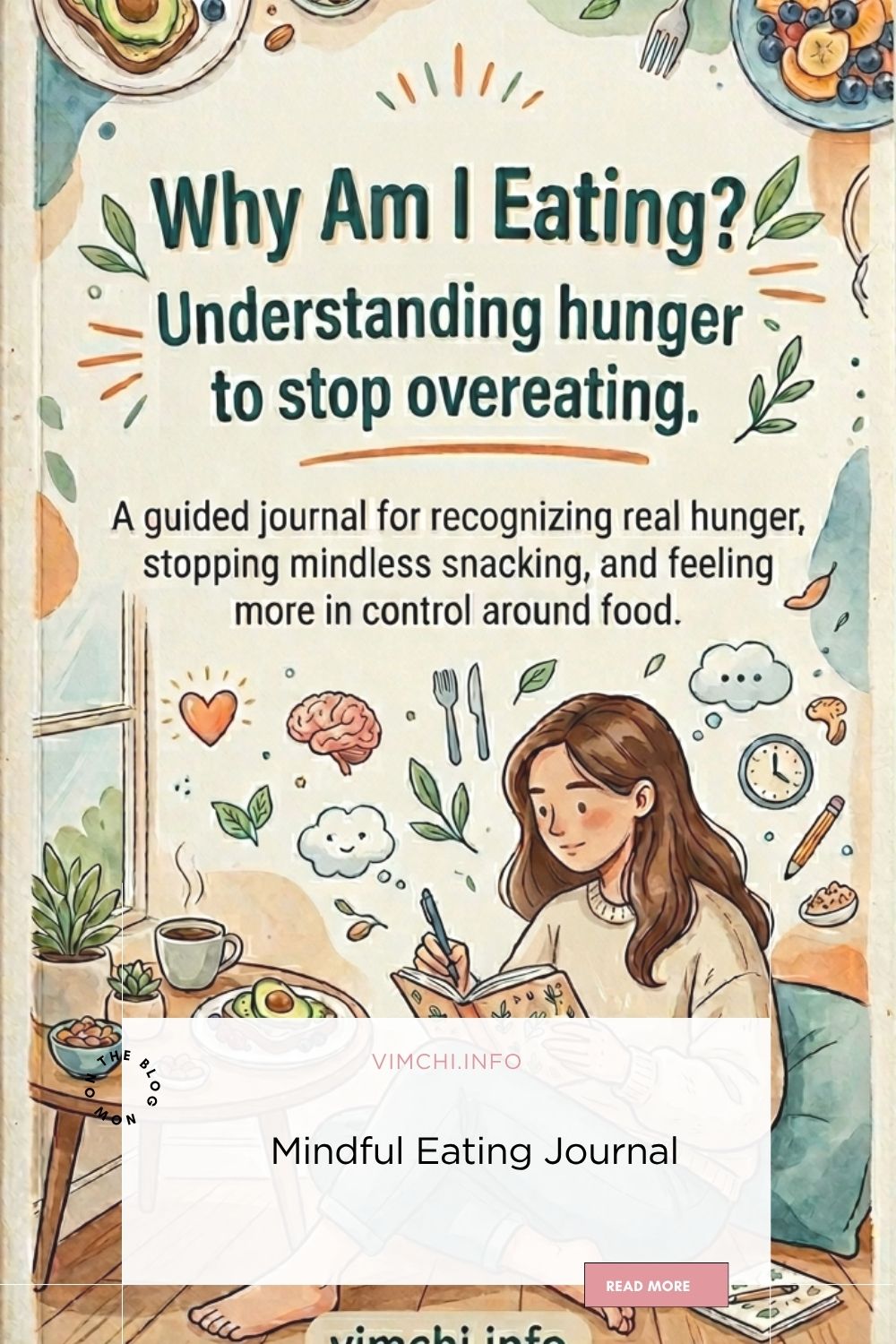
The journal provides daily prompts so you can identify whether you’re eating because of physical hunger or emotional need. You can also document how certain foods make you feel.
Take a few minutes a day to reflect in your journal. You start to notice patterns you missed. You’ll move from being reactive to proactive.
Food Freedom
Restrictive dieting leads to emotional eating, not because you don’t have willpower or discipline. Rather, it leads to emotional eating because you’re designed that way.
Restrictive Dieting: Frequently Asked Questions (FAQs)
1. What is restrictive eating?
Restrictive dieting is a pattern where you limit your caloric intake or avoid specific foods and macronutrients to lose weight or alter your body shape. Instead of listening to internal hunger cues, it relies on right rules that dictate what, when, and how much to eat.
2. What is an example of restrictive eating?
A common example of restrictive eating is completely banning entire food groups, such as cutting out all carbs or sugars, no matter what your body’s physical energy needs. Another example is ignoring physical hunger because you have hit a daily calorie limit or you’re outside a strict intermittent fasting window.
3. What is the 3-day restricted diet?
The 3-day restricted diet is a low-calorie weight loss plan that dictates exact meals for three consecutive days. It limits intake to around 1,000 to 1,400 calories a day. It restricts choices to create a severe energy deficit. But the rapid weight loss is usually water weight.
4. What happens when you restrict your diet?
When you severely restrict your diet, your body enters a state of famine. It slows down your metabolism while increasing your hunger hormones. This response increases intense cravings for forbidden foods while decreasing the hormones that signal fullness.
5. Is emotional eating an eating disorder?
Emotional eating is a common behavioral coping mechanism for stress and sadness. It’s not officially classified as an eating disorder. But if it involves frequent bingeing accompanied by a sense of losing control, it may cross the line into binge eating disorder (BED). If emotional eating patterns disrupt your daily life, seeking an evaluation from a medical doctor is recommended.

Jane is a licensed medical technologist who bridges the gap between clinical precision and digital innovation. While her formal background is rooted in the meticulous world of laboratory science, her passion lies in the logic of software development. When she isn’t analyzing data or writing clean, efficient code, you can find her on the golf course, applying that same focus and discipline to her swing.
I’m so glad you’re here. Your perspective adds so much value to this community—feel free to leave a note below!