
Financial wellness isn’t just about numbers and formulas in spreadsheets. If it were, then anyone who knows how to use Excel or Doc Sheets would be thriving. But for many of us, money is tied to our emotions and our habits. I’ve been following many YouTuber videos that tackle financial stability. One thing that really caught my attention is the topic of mindfulness habits to improve financial wellness through minimalism.
As you can see, minimalism requires awareness. And it can protect your financial wellness so you can focus on what truly matters.
If you’re looking for a guide to help you change your finances for the better, you may consider reading our in-depth guide on Financial Wellness Through Mindful Living. For now, let’s tackle the daily mindfulness habits that may change how you earn, save, and spend.
Improve Financial Wellness with These Mindfulness Habits

1. Monitor Your Financial Hunger Cues
While shopping online, don’t enter your credit card details immediately. Pause and ask yourself this question: “What am I feeling right now? Am I hungry?”
Most of the time, we spend on things just to fill the void that we feel. You buy things because you’re bored or lonely on a Friday night. You may also be stressed about a deadline. It’s exactly what financial wellness and mindful eating have in common. Money and food are often used as coping mechanisms just to numb your emotional discomfort.
The next time you feel a compulsion to purchase something online, just leave the items in your cart. Don’t check it out yet. Instead, take three slow breaths. Check in with yourself first. Are you buying it because it adds value to your life, or are you in a bad mood? Make sure to recognize whether you’re spending money because of a physical need or just a temporary emotional craving. This is the first important step toward breaking impulsive consumption.
2. Cultivate Non-Judgmental Financial Awareness
You may avoid your finances. You refuse to open your banking apps or look at your credit card statements because they terrify you. Unfortunately, avoiding looking at your balance only increases your anxiety. But when you start being mindful, you can observe your reality exactly as it is without self-criticism.
So, start a daily habit of checking your accounts. Don’t criticize yourself. You’re not opening your banking app to lecture yourself about your past mistakes. Instead, tell yourself that you’re just gathering data.
This practice is vital to help you build financial wellness through self-awareness. When you don’t shame yourself, the data stops feeling like a punishment. Rather, it makes you feel empowered to make a more conscious decision moving forward.
3. Breathe
eCommerce platforms are designed to bypass your logical brain. Companies spend billions of dollars just to make the journey as frictionless as possible. They want you to buy before you even have the time to think.
According to many financial experts, you can reclaim your power by doing the mandatory 24-hour waiting period for non-essential purchases. It means that you need to wait for 24 hours before you pay and check out the items. Often, when you go back to your virtual cart, your emotional impulse is gone. You’ll find that you don’t actually want or need the item anymore.
In my case, I add items to my virtual cart and wait for a few days to see whether the price has gone down.
4. Identify Your Triggers
Perhaps you have certain moods or social circles that cause you to spend unconsciously. If you’re like me, your trigger may be your social media feeds. Many people, however, it’s the walking through an aisle when they feel overwhelmed or match the spending habits of their friends because they want to fit in.
Pay close attention to the moments you feel compelled to spend money on things you didn’t plan for. When you understand why awareness is the foundation of financial wellness, you can spot your triggers before they affect your behavior. When you know your triggers, you can plan cost-free ways to soothe them each time familiar emotions arise.
5. View Spending as an Exchange of Life Energy

In the book Your Money or Your Life, the authors Vicki Robin and Joe Dominguez introduce a concept. That is, money is something you trade your irreplaceable life energy for.
What it means is that when you purchase a $100 jacket, you’re not just spending a piece of paper. Rather, you’re spending hours of your life to earn the money after taxes. Before you make many non-essential purchases, you must do the math. Calculate your true wage and ask yourself whether or not such an item is worth trading five hours of your time, energy, and freedom for. Shift your perspective from abstract money to concrete hours of your life. It will completely change how you value what you buy.
6. Focus on the Power of Decisions
Most of us fall into the trap of thinking that improving our financial lives needs dramatic changes, like getting a promotion or slashing takeout. Because of these overwhelming changes, you do nothing at all.
The reality is that change can happen quietly in your choices. You’re building financial wellness one mindful decision at a time. Choosing to brew your own coffee at home today instead of going to Starbucks may seem insignificant. However, if you do it every day or many times a week, these tiny changes can accumulate. It can create a shift in your actual savings and your confidence.
7. Practice for What You Own
This is a practice that you often hear these days. Be grateful for what you already have. If you’re following minimalism, this practice is quite common.
Advertisements often tell you that you need more. They want to convince you that your wardrobe needs changing and that buying their product is the best way to feel whole or happy again. But remember that happiness isn’t tied to the things you own. If you’re not happy now, you’ll never be happy, even if you buy those things.
Spend a few minutes every week to be grateful for what you have. Appreciate your car, your house, or the food that you have in your fridge. When you shift your mindset from scarcity to abundance, you can lower the urgency to buy more stuff.
Every time I hop into the car that my aunt helped me pay for, I always say thank you for this car. Each time I feel down, I always look at our family picture.
Sometimes, we just need to be reminded that we already have enough and we don’t need more stuff in our house.
8. Align Your Spending with Your Values
Mindfulness isn’t about hoarding each dollar or living a life of extreme frugality. Rather, it’s about alignment. It’s ensuring that your financial resources are flowing toward the things that bring value, peace, and meaning to your life.
I spend most of my money now playing golf. It can be an expensive sport. But I find peace and joy when playing. It can be frustrating, especially if I just top the ball. However, having a good shot can change everything, no matter how many bad shots I made. Golf gives me joy. It helps me forget about my problems.
9. Eat Mindfully to Heal Your Finances
It’s surprising to discover just how your relationship with food can affect your relationship with money. Ordering an expensive takeout because you didn’t plan, for instance, can lead to financial waste.
Discovering the role of mindful eating in achieving financial wellness can help transform your vitality and budget. When you slow down, plan your meals with intention, and savor what you eat, you eliminate food waste. You can also avoid expensive delivery fees.
If you want a tangible tool to help you track this synergy, our custom mindful eating journal is designed to help you document your daily eating habits and study the patterns. From there, you can connect the dots between your well-being and your financial health.
10. Consider Financial Security as Self-Care
Self-care isn’t just about going to a spa. Instead, it’s also building your savings account, paying off debt, and investing in yourself. Expensive retail therapy is a short-term treat. But if you commit to fixing your finances first, you can buy your freedom. You can have peace of mind that comes from knowing you are financially secure.
11. Celebrate Your Wins

When you’re working toward your long-term goal, it’s easy to focus on how far you have to go. This scarcity may lead to frustration. A mindful money practice requests you to celebrate your progress, no matter how small it is.
Did you choose a home-cooked meal over ordering food online? Celebrate it. You have to acknowledge it because it’s really a win. Recognize and appreciate it. This wires your brain to associate positive emotions with money management. It gives you motivation to stay consistent for the long haul.
The Reality of Financial Wellness
Practicing mindfulness when your income is stable and predictable can be easy. But it’s a different story when you’re a freelancer or self-employed.
Every entrepreneur has lived through it at least once in his or her life. This is the quiet, suffocating moment when you look at your bank accounts and realize your finances are about to completely dry up. You know the exact date the math stops working.
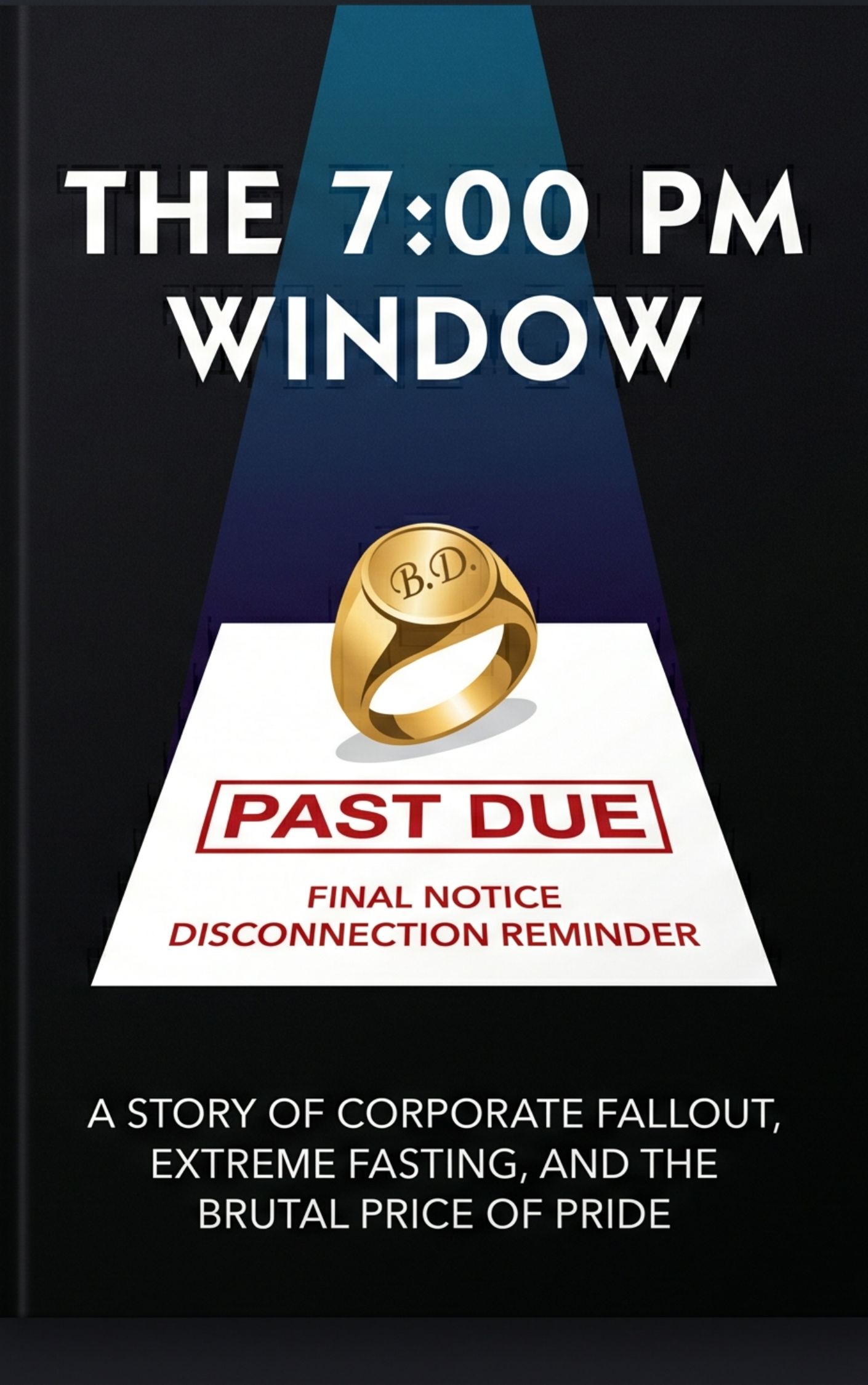
This was the exact reality Bianca Darcer faced. When the dry spell hit, the immediate human reaction was panic. Her survival brain is screaming to freeze, avoid the bank accounts, or take on low-paying, toxic clients out of pure desperation.
But instead of letting the panic dictate her next move, Bianca utilized financial mindfulness. She paused, took a deep breath, and eliminated the shame from her numbers. By looking at her bank statements with neutral, non-judgmental awareness, she was able to see the situation not as a personal failure, but simply as a temporary market cycle.
Because she had spent time Building Financial Wellness One Mindful Decision at a Time, she didn’t panic-spend or panic-freeze. She accepted the reality of the lean season, focused on what she could control, and strategically pivoted her business without destroying her mental peace. Her story is proof that mindfulness isn’t just about feeling calm during the good times. Rather, it is the anchor that keeps you steady when money gets tight.
Your Journey
Financial wellness can’t be achieved by following a straight path. Rather, it’s about consistency. You’ll have days where you slip up. When that happens, you have to be kind to yourself. Use your next decision to gently reset.
If you’re ready to transition from mindless consumption to a life of mindfulness, don’t forget to explore our financial wellness through the mindful living guide. Or download your copy of the mindful eating journal to start tracking your transformation today.
Mindfulness Habits for Financial Wellness: Frequently Asked Questions (FAQs)
What is financial mindfulness?
Financial mindfulness is the practice of bringing open awareness to your relationship with money. You don’t manage your finances on autopilot. Financial mindfulness encourages you to tune into your thoughts, emotions, and triggers around your saving and spending. It’s also about pausing before you buy.
What is the 3 6 9 rule of money?
The 3-6-9 rule is a framework for building personal financial security, specifically focusing on your emergency fund. It dictates the number of months of living expenses you must set aside based on your stability and financial complexity. The number 3 is three months of living expenses. It’s ideal for a salaried employee with high job security. Six months if you have a single income source. And 9 months for entrepreneurs, freelancers, or anyone with a highly irregular income.
What is an example of financial wellness?
A great example of financial wellness is having a fully funded emergency buffer and a clear understanding of monthly cash flow. When you achieve it, an emergency car repair won’t stop you from living.
What are the five pillars of financial wellness?
The five pillars of financial wellness are earn, save/invest, spend, borrow, and protect.
What are the 3 Cs of personal finance?
When you evaluate financial health or behavior, the 3Cs stand for control capacity and character. Control is about mastering your daily expenses. Capacity is for your ability to absorb financial shocks, while character is for your mindset, habits, and integrity about money.

Jane is a licensed medical technologist who bridges the gap between clinical precision and digital innovation. While her formal background is rooted in the meticulous world of laboratory science, her passion lies in the logic of software development. When she isn’t analyzing data or writing clean, efficient code, you can find her on the golf course, applying that same focus and discipline to her swing.
I’m so glad you’re here. Your perspective adds so much value to this community—feel free to leave a note below!