
We’ve been told by those so-called “financial gurus” that overcoming financial stress requires a lot of willpower and better spreadsheets. However, your budget isn’t just a reflection of how good you are at math. Rather, it’s a reflection of your biology.
When your nervous system is overtaxed, whether from a 15-hour work sprint or an aggressive OMAD fast, the resulting financial stress isn’t just a feeling. Rather, it’s a physiological state that makes you primed to overspend. This is called a stress tax.
How Financial Stress Takes Your CFO Offline
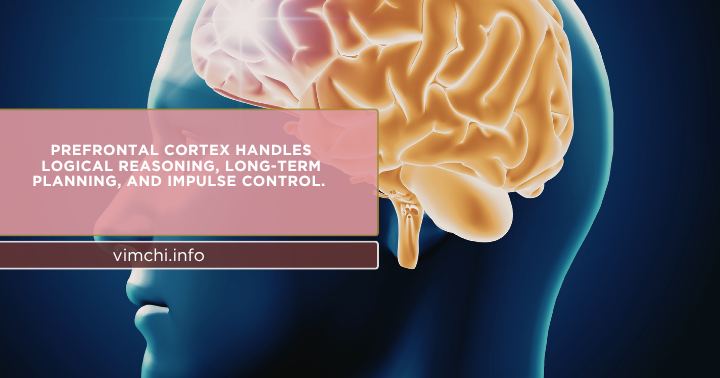
Your prefrontal cortex is like your brain’s Chief Financial Officer (CFO). This part of your brain handles logical reasoning, long-term planning, and impulse control. But this region is high-maintenance. It needs significant amounts of glucose and a safe nervous system to function. Unfortunately, financial stress can trigger a thalamic hijack. If your body doesn’t feel safe because of the mounting pressure, the CFO in your brain diverts its energy to survival centers.
That’s the reason your logical budgeting feels nearly impossible when you’re in the thick of a crisis.
From Survival Mode to Cart Panic
The said biological shift is caused by the HPA axis or hypothalamic-pituitary-adrenal axis. When you’re overworked or pushing through a survival fast without somatic awareness, your body perceives a threat. Cortisol levels spike, turning financial stress into a signal that resources are scarce.
During this state, your brain seeks an immediate sense of security to dampen the alarm bells. It often manifests as cart panic. This is a sudden, urgent impulse to buy supplements, gadgets, or comfort items to repair the internal disorders. Your brain isn’t reckless. Rather, it’s trying to self-medicate the stress.
Metabolic Impulsivity
Chemistry dictates behavior. What looks like no discipline is often metabolic impulsivity. It happens when your body attempts to regulate the chemical fallout of financial stress. This is specifically your dropping vagal tone through an external purchase. The dopamine hit from hitting buy now provides a temporary, artificial sense of safety for a deregulated vagus nerve.
If you’re a highly sensitive person, this is amplified. HSPs have a more reactive nervous system that processes environmental stimuli more deeply. When you add financial stress to a world that already feels too loud, your urge to spend for safety becomes a dominant survival reflex.
3 Somatic Red Flags of Financial Stress

As a licensed medical technologist, I advocate for auditing your body’s data before making a purchase. Watch for these clinical signs that your financial stress is about to trigger a spending spike:
The Scrolling Itch: This is reaching for your phone to scroll through shopping apps just to numb out your sensory overstimulation.
Shallow breathing: A shift from belly breathing to chest breathing signals your brain that resources are scarce and a fight is coming.
Narrowed focus: If you find yourself scanning pages rapidly without a clear list or goal, your brain is in foraging mode. It means that it looks for a quick dopamine fix.
You Can’t Budget Your Way Out of a Biological Shutdown
If your nervous system is in a state of perceived scarcity, there’s no amount of austerity that will stick because the financial stress will bypass your logic. That’s why it’s pertinent that you regulate your way out. True wealth always starts with somatic awareness. It’s about learning to identify the red flags of your financial stress in your body before they hit your bank account.
Here are some things you can do:
- Audit your internal state: Use the principles in the mindful eating guide to dieting where you hold tension.
- Regulate the vagus nerve: Learn clinical resets to bring your brain’s CFO back online by visiting our vagus nerve guide.
- Track the patterns: Stop the cycle of rescue buying by auditing your somatic triggers with the mindful eating recovery journal.

Jane is a licensed medical technologist who bridges the gap between clinical precision and digital innovation. While her formal background is rooted in the meticulous world of laboratory science, her passion lies in the logic of software development. When she isn’t analyzing data or writing clean, efficient code, you can find her on the golf course, applying that same focus and discipline to her swing.
I’m so glad you’re here. Your perspective adds so much value to this community—feel free to leave a note below!